Reputation Is the Real Currency: What American Executives Must Understand Before Doing Business in Algeria
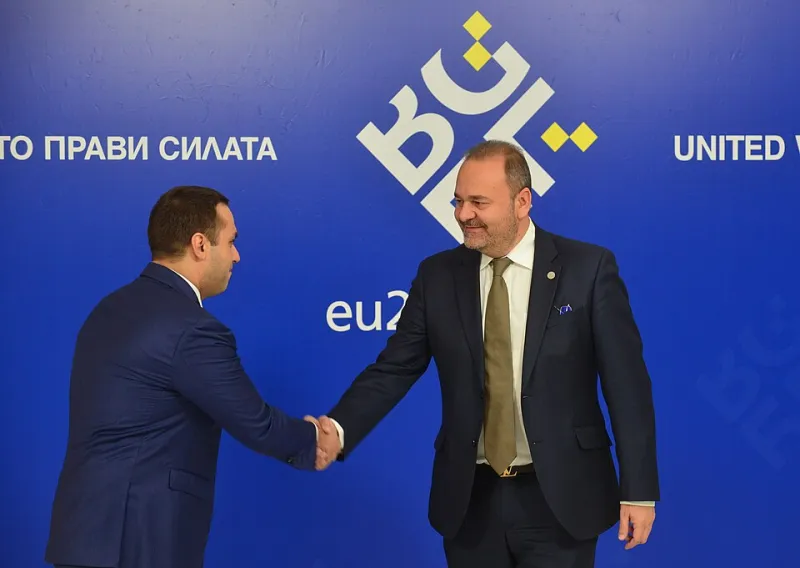
Photo: Algerian businessmen handshake formal meeting office, via i.pinimg.com
American business culture is built on the sanctity of the signed document. Contracts are negotiated, reviewed by counsel, executed with precision, and filed as the authoritative record of any commercial relationship. It is a system that functions well across most of the markets US companies routinely enter. Algeria, however, operates according to a different architecture—one where the written agreement and the living relationship exist on parallel tracks, and where the latter frequently determines outcomes the former cannot.
This is not a critique of Algerian business practice. It is a structural reality that any serious market entrant must internalize before the first flight to Algiers.
How Informal Authority Works in Algerian Commerce
Algeria's commercial culture is deeply relational, shaped by decades of state-led economic management, tribal and familial networks, and a social fabric in which trust is extended incrementally and withdrawn swiftly. Business decisions—particularly those involving foreign partners—are rarely made in isolation. They are filtered through layers of informal consultation: conversations with family members, advice from longtime associates, assessments by community figures whose opinions carry weight that no legal document can replicate.
When a US company enters this environment armed only with contracts and compliance checklists, it signals—often unintentionally—that it does not understand the rules of engagement. Algerian counterparts may sign agreements while privately reserving judgment about whether the relationship is worth sustaining. If that judgment turns negative, the contract becomes a formality rather than a foundation.
The practical consequences range from frustrating to catastrophic: shipments held at customs without explanation, project milestones missed without apology, payments delayed beyond any reasonable interpretation of agreed terms, and introductions to key government contacts that never materialize despite explicit commitments.
Case Illustrations: Two Approaches, Two Outcomes
Consider two US manufacturing firms that entered the Algerian market within the same eighteen-month window, both pursuing supply agreements with domestic industrial partners.
The first company followed a textbook market entry process. It retained local legal counsel, negotiated favorable contract terms, and dispatched a team to Algiers to execute the agreement. What it did not do was invest time in understanding who its counterpart actually was within the broader Algerian business community. Within eight months, the relationship had deteriorated. Deliveries were inconsistent, communications became terse, and the Algerian partner began renegotiating terms that had been considered settled. The US firm eventually exited, attributing the failure to "regulatory unpredictability"—a convenient but incomplete explanation.
The second company took a longer runway. Before any formal negotiation, its regional director spent three months making introductory visits, attending industry events in Oran and Constantine, and cultivating relationships with intermediaries who could vouch for the company's character and intentions. By the time contract discussions began, the Algerian partner had already received informal endorsements from two respected figures in the local business community. The agreement was signed, but more importantly, it was honored—and subsequently expanded.
The difference was not legal sophistication. Both companies had competent attorneys. The difference was reputational groundwork.
The Framework: Building Reputation Capital Without Abandoning Due Diligence
The goal for US executives is not to choose between rigorous documentation and relationship investment. It is to pursue both simultaneously, understanding that each serves a distinct function.
Engage intermediaries with genuine standing. In Algeria, the right introduction from a trusted third party compresses the trust-building timeline significantly. These intermediaries—sometimes called wasta in the broader Arab business context—are not fixers in the pejorative sense. They are credible connectors whose endorsement carries social weight. Identifying and cultivating these relationships before formal negotiations begin is among the highest-value activities a US company can undertake.
Demonstrate consistency over time. Algerian business culture places extraordinary value on reliability. Executives who visit once, sign documents, and then manage the relationship remotely from New York or Houston are perceived as disengaged. Regular in-country presence—even when there is no immediate transactional reason for it—communicates commitment in a language that resonates far more powerfully than contract language.
Understand that renegotiation is not a breach. American executives often experience informal renegotiation attempts as bad faith. In Algeria, they frequently represent something different: a signal that circumstances have shifted and the relationship needs recalibration. Companies that respond to these moments with legal threats tend to accelerate the very breakdown they are trying to prevent. Companies that respond with dialogue—while maintaining clear documentation of any agreed modifications—tend to preserve the relationship and the commercial opportunity.
Invest in local reputation-building activities. Sponsoring community events, supporting vocational training initiatives, or partnering with Algerian universities on research programs may appear tangential to a supply agreement or distribution partnership. In practice, they generate the kind of visible, verifiable reputation that Algerian partners and government officials use to assess whether a foreign company is a long-term stakeholder or an extractive visitor.
What the Contract Actually Does
None of this diminishes the importance of rigorous legal documentation. Contracts in Algeria serve essential functions: they establish a shared reference point for dispute resolution, satisfy regulatory requirements, and protect US companies in the event that informal trust genuinely breaks down. The critical error is treating the contract as the relationship rather than as its formal record.
Algerian commercial law has grown more sophisticated in recent years, and the government's push to attract foreign direct investment has produced regulatory frameworks that US companies can navigate with qualified local counsel. But even the best-drafted agreement cannot compel a reluctant partner to answer a phone call, facilitate a customs clearance, or introduce a foreign executive to a ministry official. Those outcomes flow from reputation, not documentation.
The Long View on Algerian Market Entry
US companies that have built durable presences in Algeria—across sectors ranging from energy services to agribusiness to industrial equipment—share a common characteristic: they treated the market as a relationship to cultivate rather than a transaction to execute. They accepted that the timeline for establishing credibility would exceed what they were accustomed to in Western markets. And they allocated resources accordingly, not just to legal and compliance functions, but to the quieter, slower work of becoming known, trusted, and respected.
Algeria's economy is at an inflection point. Infrastructure investment is accelerating, the non-hydrocarbon private sector is expanding, and a generation of younger Algerian entrepreneurs is actively seeking capable foreign partners. The opportunity is genuine. But it will be captured by companies that understand the full architecture of Algerian commerce—not just the written rules, but the unwritten ones that govern whether those written rules ever get applied in your favor.
In Algeria, your contract protects your position. Your reputation determines whether you ever need to use it.