The Map Is Not the Territory: How Algeria's Hidden Power Networks Shape Every Business Deal
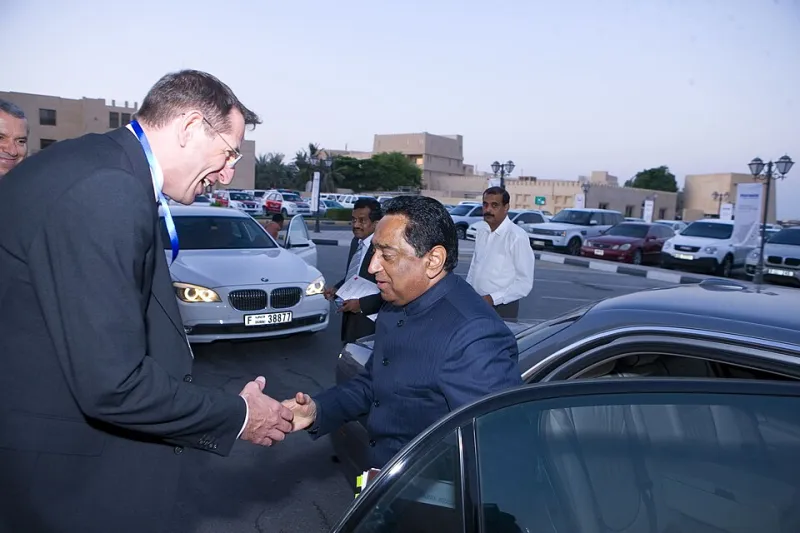
Photo: Richter Frank-Jurgen, CC BY-SA 2.0, via Wikimedia Commons
American companies invest enormous resources preparing for Algeria. Legal counsel reviews contracts. Compliance teams map regulatory requirements. Business development executives study procurement portals and ministry guidelines. Then the deal stalls — and nobody returns emails.
The frustration is familiar to US executives across industries who have entered the Algerian market expecting formal processes to function the way they do in Chicago or Houston. What they encounter instead is a parallel system of influence, obligation, and trust that operates largely outside official channels. In Algeria, as across much of the Arab world, this system is often described through the Arabic concept of wasta — a term that translates loosely as "connections" or "influence" but carries far richer implications about how relationships confer access, accelerate approvals, and quietly close doors to those who lack them.
Ignoring this reality does not make it go away. It simply means your competitors — regional players, European firms with decades of Algerian presence, and increasingly Chinese enterprises — will navigate it while you wait.
What Wasta Actually Means in a Business Context
Wasta is not corruption, though the line can blur in specific circumstances. At its core, it is a trust-based social capital system rooted in extended family ties, regional affiliations, shared professional histories, and long-standing personal obligations. In Algeria specifically, it layers on top of complex post-independence political structures, state-enterprise relationships, and a business culture shaped by decades of economic centralization.
In practical terms, wasta means that the person whose signature appears on a contract may not be the person who decided to award it. A procurement director at a state-owned enterprise might formally review bids, but a senior figure in their extended network — perhaps a retired ministry official, a well-connected regional businessperson, or a family elder with ties to the relevant sector — may have already shaped the outcome before the first meeting took place.
For US executives accustomed to traceable decision trees and documented approval chains, this is disorienting. The org chart says one thing. The actual decision-making says another.
Why American Business Culture Creates Blind Spots Here
Several features of US corporate culture make American companies particularly vulnerable to misreading Algerian business dynamics.
First, there is an over-reliance on formal credentialing. US firms often lead with capabilities decks, ISO certifications, and references from Fortune 500 clients. These materials matter, but they function as table stakes rather than differentiators. Trust in Algeria is earned through relationships and demonstrated over time — not transferred from a PowerPoint slide.
Second, American business culture prizes efficiency in a way that can read as dismissiveness in relationship-oriented markets. Moving quickly to the transaction signals, in some Algerian business contexts, that you are not serious about a long-term partnership. Introductory meetings that feel unproductive to a US executive — conversations that circle around family, regional history, or shared acquaintances — are often precisely where trust is being assessed.
Third, US companies frequently underinvest in local presence. A quarterly visit from a regional VP does not build the kind of sustained relationships that open informal networks. Wasta requires proximity, consistency, and genuine personal investment.
Mapping the Informal Network Before You Enter the Room
The first practical step for any US company is to conduct what might be called a relational due diligence process alongside the standard commercial and legal variety. This means going beyond the public-facing organizational structure of your target partner or client and asking more nuanced questions.
Who are the real influencers in this sector? In Algeria's energy sector, for instance, relationships with figures who have long histories inside Sonatrach — the state hydrocarbon company — carry weight that no title on a business card fully captures. In healthcare procurement, informal networks within the Ministry of Health and regional hospital directorates often matter more than the published tender process.
A reputable Algerian business consultant or law firm with deep sector experience can help map these dynamics before your team makes its first trip. The investment is modest relative to the cost of a failed engagement.
Engaging Informal Networks Without Compromising Integrity
This is where many US executives become understandably cautious. Navigating informal influence networks must be done in full compliance with the Foreign Corrupt Practices Act (FCPA), which prohibits bribery of foreign officials and carries severe penalties for US companies and individuals. The good news is that authentic relationship-building and FCPA compliance are entirely compatible — the distinction lies in intent and mechanism.
Building genuine relationships with respected Algerian business figures, participating in sector associations, attending legitimate industry events in Algiers, and investing in long-term partnerships with credible local enterprises are all appropriate strategies. What crosses the line is any exchange of value — payments, gifts above nominal thresholds, favorable contract terms — designed to improperly influence a decision-maker.
The practical approach is to retain a local partner who already holds relational equity in your target network. This is not about buying access; it is about acknowledging that trust transfers through personal vouching in this business culture. A respected Algerian partner who introduces your firm and stands behind your credibility is doing something that no amount of marketing collateral can replicate.
Patience as Competitive Advantage
One of the more counterintuitive lessons US companies learn in Algeria is that slowing down can accelerate outcomes. A firm that invests eighteen months in building genuine relationships — attending sector events, hosting working dinners, following up on personal conversations, and demonstrating sustained commitment to the market — will frequently outperform a competitor that tried to close in ninety days and disappeared when the first deal stalled.
Algerian business partners are watching for signals of long-term intent. They have seen foreign companies arrive with enthusiasm and depart when regulatory complexity or market friction proved inconvenient. Demonstrating that your organization is prepared to weather the learning curve is itself a trust signal that opens informal networks over time.
What Success Looks Like
American companies that have navigated Algeria's informal business landscape successfully share a few common traits. They hired or partnered with individuals who have genuine relational standing — not just legal registration — in the Algerian market. They treated early engagements as relationship investments rather than transactions. They communicated consistently and followed through on commitments, however small, because informal networks transmit reputation information rapidly.
Perhaps most importantly, they approached Algerian business culture with curiosity rather than impatience. The executives who thrive here are those who find the relational complexity genuinely interesting — who understand that the conversation over mint tea is not a delay in getting to business, but the business itself.
Algeria's market opportunity is substantial, and it is growing. The companies that will capture the most value from it will be those that invest as seriously in understanding its social architecture as they do in its regulatory and commercial landscape.