The Franchise Arithmetic: Stress-Testing a US Service Brand Before Signing an Algerian Master License

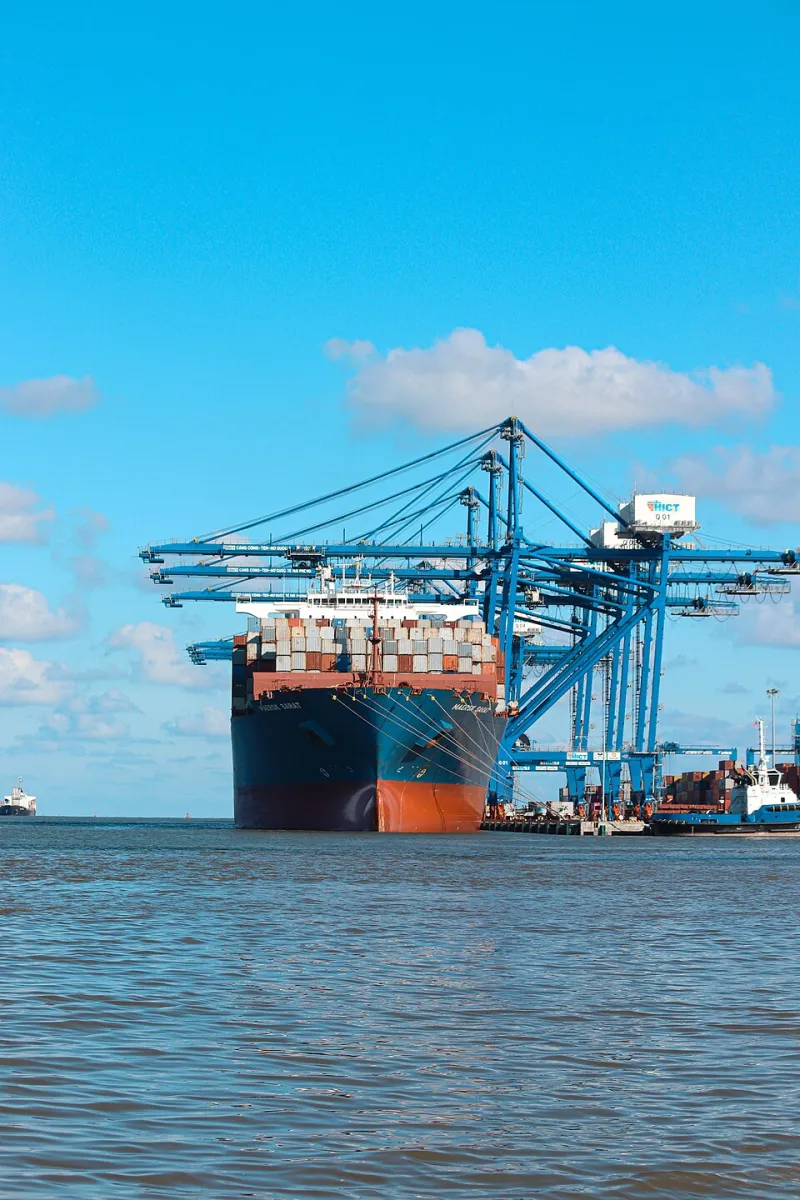
Photo: Anthony O'Neil, CC BY-SA 2.0, via Wikimedia Commons
Every few months, a US franchise development executive asks the same question in slightly different words: if our brand works in Casablanca and Tunis, why not Algiers? The answer is that it probably can — but not on the assumptions those executives usually import from Casablanca and Tunis.
Algeria is not a small market. It is a large, young, urbanizing country with a genuine appetite for American consumer formats. It is also a market where the dinar, the import regime, the real estate market, and the labor code each impose a haircut on the model you built at headquarters. The purpose of this framework is to apply those haircuts before you sign a ten-year master license, not after.
Demographics are a starting point, not a business case
The population is large and young, with a median age in the late twenties and heavy concentration in a handful of metropolitan areas — Algiers, Oran, Constantine, Annaba, Setif. That is exactly the profile franchise development teams are trained to like.
But density of people is not density of spend. Household budgets are denominated in dinars, and the exchange rate you use to translate them into a dollar P&L determines whether the deal looks attractive or absurd. Model revenues at the official rate, and then stress the same model at a materially weaker parallel rate. If the investment only clears your hurdle at the official rate, you do not have a business; you have a currency bet with a logo attached.
Build the store-level P&L in dinars first
A master franchise is a portfolio of unit economics. If a single unit cannot earn a return in local currency, no amount of territory exclusivity rescues the deal.
For a food-service format, the core variables are average ticket, transactions per day, rent per square meter in a credible location, food and packaging cost, labor, utilities, and the royalty and advertising contribution that leave the country before the franchisee is paid. For a service format — fitness, personal care, automotive aftermarket, education — the variables shift to membership or contract revenue, churn, fit-out capital, and the cost of imported equipment and consumables.
Two Algerian specifics deserve their own line items. First, equipment and branded materials are largely imported, which means duties, freight, and lead times measured in months rather than weeks. Second, cash remains dominant in many consumer segments, which affects working capital and shrinkage assumptions more than it affects demand.
The royalty repatriation question
Royalty flows are the point of franchising and the part of the model most often left vague in term sheets. Confirm, in writing and with a bank, the documentation required to transfer royalties and advertising contributions abroad, the withholding treatment that applies, and the realistic processing timeline. Then assume the timeline is longer than promised and build a working capital buffer for the master franchisee accordingly.
If the master licensee cannot service the royalty obligation during a slow quarter, the brand suffers first: standards slip, audits get skipped, and the trademark becomes associated with an underinvested operation. Structure payment terms that survive a soft year.
Register the trademark before the negotiations get friendly
Algeria does not have a standalone franchise disclosure statute. Franchise relationships are governed by general contract and commercial law, which places a premium on what your agreement actually says. That also means brand protection is entirely your responsibility.
File the word mark and the logo with the national intellectual property institute in the relevant classes, and file the Arabic and French transliterations as separate marks. Register the local domain names. Do this before due diligence meetings, not after. Enforcement in Algeria is workable but slow, and a squatted mark discovered at signing has a way of becoming a permanent discount on your negotiating position.
Real estate will set your pace of growth
Modern, professionally managed retail space is scarce relative to demand, and prime locations command rents that would look normal in a secondary US market and unusual in a North African one. Landlords frequently ask for bank guarantees and advance payments, and fit-out approvals can add months.
Foreign entities generally cannot own commercial property outright, so the master licensee will operate on leases. That makes lease term, renewal rights, and assignment provisions a governance issue for the franchisor, not just a landlord matter. Write minimum-development schedules that reflect realistic permitting and construction timelines, or you will spend the first three years in default waivers.
Localization is a supply-chain decision, not a marketing one
Import restrictions and customs practice mean that a menu, a product list, or an equipment package designed for another market may not arrive intact. Where local substitutes exist, they should be qualified early, and where they do not, the master licensee needs a documented import pathway with contingency stock.
Food formats additionally require attention to halal certification and to the practical reality that certain ingredients are simply unavailable at consistent quality. A brand that insists on a rigid specification in a market that cannot supply it is choosing purity over units, and units are what pay the royalty.
Staffing and the training multiplier
Labor is affordable by US standards, which tempts franchisors to under-budget training. That is a mistake. Turnover in front-line service roles is meaningful, English proficiency is uneven outside senior management, and the operational discipline that makes a US brand recognizable has to be taught repeatedly rather than assumed. Budget a training multiplier of two to three times the US figure per unit during the first three years, and require the master licensee to fund it contractually.
A go/no-go scorecard
Before signing, require affirmative answers to each of the following. Can a single unit earn a defensible return in dinars at a stressed exchange rate? Is the royalty transferable in practice, with a documented bank process? Are the marks and transliterations registered? Does the development schedule match realistic permitting and construction timelines? Is the supply chain qualified or is it a hope? Is the training budget funded rather than aspirational? And does the master licensee have the balance sheet to survive eighteen months of negative cash flow?
The verdict
American service brands can travel to Algeria. What does not travel is the assumption that a proven US format converts directly into a North African opportunity. The brands that succeed will be the ones that treat the dinar, the import regime, and the training burden as design constraints rather than unpleasant surprises — and that price the master license accordingly.