Which Algerian Port Should Your Container Actually Enter? A Routing Decision Most US Exporters Get Wrong
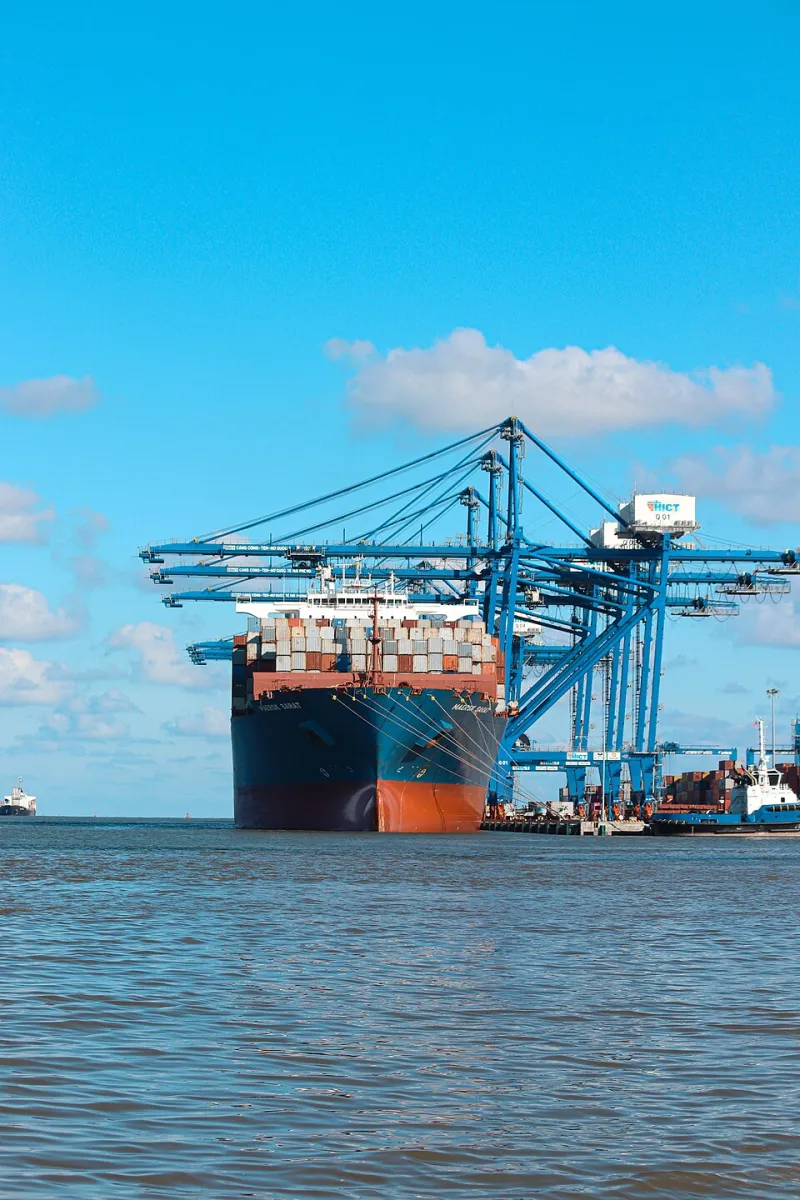
Photo: Nathan.cima, CC BY-SA 4.0, via Wikimedia Commons
Every US exporter shipping to Algeria eventually confronts the same question: where, exactly, should the container go ashore? The country's Mediterranean coastline hosts several commercial ports, but they are not interchangeable. Picking the wrong one can add weeks of dwell time, thousands of dollars in drayage, and a level of customs friction that turns a profitable order into a write-off.
The Three Ports That Matter
Port of Algiers. The capital's port is Algeria's busiest and most administratively intense. It sits close to the country's largest consumer market, which makes it the natural entry point for retail goods, electronics, and anything destined for the Algiers–Blida corridor. The trade-off is congestion. Vessel calls are frequent, but so are queues at the quayside, and clearance backlogs during peak import seasons are well documented. If your cargo is time-sensitive and high-value, build buffer days into every schedule.
Port of Oran. Western Algeria's commercial gateway serves the industrial belt around Oran, Sidi Bel Abbès, and the agricultural hinterland. It is generally less congested than Algiers and is the logical choice for machinery, construction materials, and inputs bound for the western and southwestern regions. Drayage costs to inland destinations in the west are substantially lower than trucking the same cargo in from the capital.
Port of Djen Djen. The dark horse. Located near Jijel in the northeast, Djen Djen was built to deep-water specifications and hosts an associated free trade zone that offers customs and tax advantages unavailable at the older ports. Vessel call frequency historically lagged the majors, but for bulk cargo, project freight, and companies planning regional warehousing or light manufacturing, the free zone framework can outweigh the thinner sailing schedules.
Matching Cargo Type to Entry Point
| Cargo Profile | Recommended Port | Rationale |
|---|---|---|
| Consumer goods for Algiers market | Algiers | Shortest inland haul to the largest demand center |
| Industrial equipment for the west | Oran | Lower drayage, less congestion |
| Bulk, project cargo, or warehousing strategy | Djen Djen | Free zone benefits, deep-water berths |
| Perishables | Oran or Algiers | Prioritize clearance speed over everything else |
The Documentation Checklist That Prevents Dwell Time
Most delays at Algerian ports are documentation failures, not infrastructure failures. Before the vessel sails, confirm:
- Commercial invoice and packing list, matching exactly — discrepancies trigger inspection holds
- Certificate of origin, legalized where required
- Bill of lading consigned correctly, with the Algerian importer's details verified in advance
- Import license or certificate of conformity for regulated product categories
- HS classifications reviewed against Algeria's current tariff schedule, which has shifted in recent years
Engage a freight forwarder with demonstrated Algeria experience — not just a Mediterranean desk. The difference shows up in how quickly problems get resolved when a container inevitably gets flagged.
The Cost Nobody Models Until It Hurts
Port charges and customs duties are visible. What erodes margins quietly is dwell time: demurrage accruing while paperwork clears, storage fees, and the downstream cost of a customer whose production line is waiting on your shipment. US exporters should price these risks into their landed-cost models from day one, and negotiate demurrage terms with their forwarders rather than accepting standard tariffs.
Routing Is Strategy
For a one-off shipment, the port decision is a logistics detail. For a company building a durable Algeria business, it is a strategic choice that shapes your cost structure, your customer relationships, and your ability to compete against suppliers who figured it out first. Map your cargo flows, pick your gateways deliberately, and revisit the math as volumes grow — because Djen Djen's free zone and Oran's expanding hinterland are changing the calculus faster than most market-entry plans anticipate.