The Breadbasket Gap: Where US Agribusiness Fits in Algeria's Drive to Feed Itself
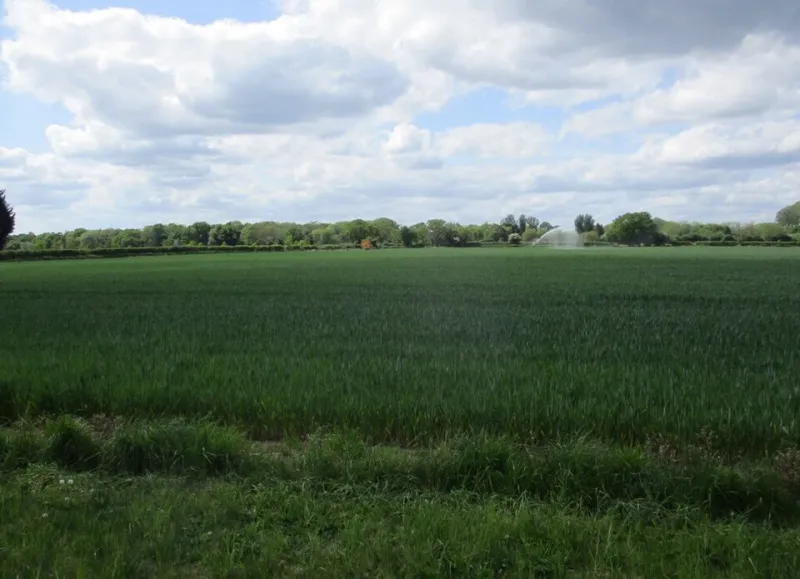
Photo: Jonathan Thacker , CC BY-SA 2.0, via Wikimedia Commons
A Structural Importer, Not a Seasonal Buyer
Algeria does not import wheat because of a bad harvest alone. It imports because domestic production, water availability, storage capacity, and milling demand have never fully aligned. As of late 2026, the country remains one of the world's largest wheat buyers, with soft wheat, durum wheat, barley, and corn moving through state-linked procurement channels and private mills. For US agribusiness, the first lesson is that Algeria is a structural customer, not an opportunistic one.
The second lesson is that the government wants to change that structure. Food security has become a budget line, a diplomatic theme, and an industrial policy objective. The goal is not self-sufficiency in every crop; it is reduced exposure to import price shocks and shipping disruptions. That distinction matters for US suppliers. Algeria will keep importing grain for years, but it will also spend on irrigation, storage, desalination, and yield improvement. Both the trade flow and the capex flow are open to American firms.
Mapping the Import Gaps
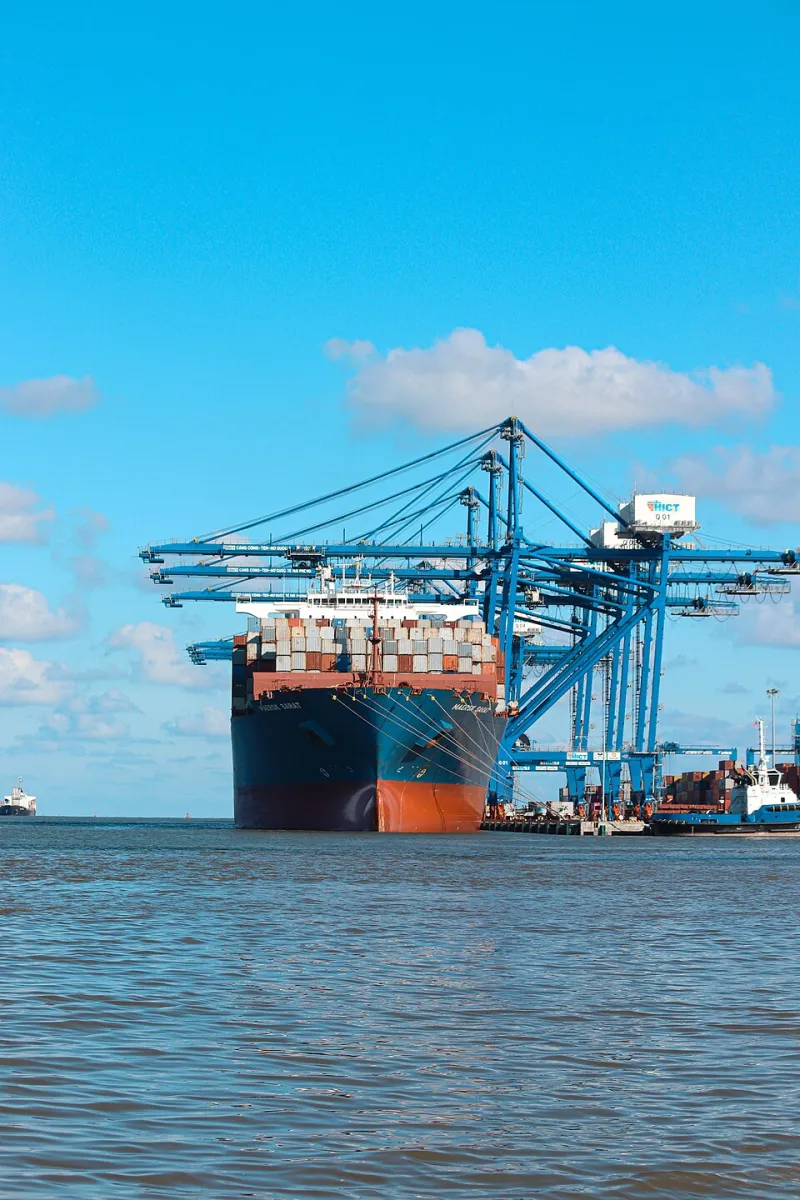
The clearest near-term entry point is grain. Algeria's state buyer, the Office Algérien Interprofessionnel des Céréales, runs regular international tenders for wheat and barley. US exporters have long competed with French, Black Sea, and Canadian origins. Winning requires more than price. It requires an established tender desk, familiarity with Algerian specifications, and a logistics plan that accounts for port discharge and inland evacuation.
Corn and soy product demand is also rising, tied to poultry and livestock feed. That market is less centralized than the state wheat tender and often involves private importers and feed millers. For US cooperatives and traders, this creates relationship-based opportunities, but also credit risk. The counterparty may be a family-owned mill with strong local standing and limited hard-currency liquidity. Due diligence must cover both.
Where the Government Is Spending
Algeria's food security agenda has three visible spending pillars. The first is irrigated agriculture, including expansion in the south and better use of existing water infrastructure. The second is desalination, which supports coastal cities and frees conventional water for agriculture. The third is storage and post-harvest capacity, from grain silos to cold chains for perishables.
For US equipment suppliers, irrigation is the most direct fit. Drip systems, pivot systems, pumps, filtration, soil moisture sensors, and solar-powered pumping units all address a real constraint. Agtech firms selling precision irrigation, remote sensing, or farm management software can also find pilot partners, though they should expect a longer sales cycle than in the United States. Algerian buyers often want demonstrated performance in similar climates before committing to a large rollout.
The Tender and Payment Reality
US firms should not assume that a strong product shortens the procurement cycle. State tenders are formal, documentation-heavy, and price-sensitive. Payment terms can be slower than US exporters expect, and foreign-exchange approval can add friction. The safest approach is to work with a local bank and a legal advisor before quoting. Documentary credit, advance payment guarantees, and performance bonds may all be requested.
Payment risk is not the same across every channel. State grain procurement has a different risk profile from a private irrigation distributor. US exporters should segment counterparties accordingly and use credit insurance or export credit support where appropriate. The US Commercial Service and USDA Foreign Agricultural Service can provide market context, but they do not replace commercial due diligence.
Logistics: The Quiet Deal Breaker
Algeria's ports handle large volumes, but inland transport and discharge can be uneven. A shipment that lands at the wrong port or arrives during a congested period can erase the margin on a grain cargo. US exporters should model port choice, discharge rates, demurrage exposure, and truck or rail availability before fixing a price. For equipment suppliers, spare parts availability and service response time matter as much as the initial quote.
A Practical Entry Route
The most credible route for US agribusiness is a staged one. Start with a local partner who already sells into the agricultural sector. Test demand with a limited product line or a pilot project. Attend sector trade events and meet buyers in Algiers and secondary agricultural hubs. Then decide whether a local entity, a distribution agreement, or a tender-only strategy makes sense.
Algeria's food security drive will not eliminate imports. It will change their composition and create new demand for equipment, services, and technology. US firms that treat the country as a tender market only will compete on price. Those that build local relationships and solve logistics and payment problems will find a more durable position.