Beyond the Memorandum: How US Investors Can Tell Algeria's Investable Hydrogen Projects From the Hype
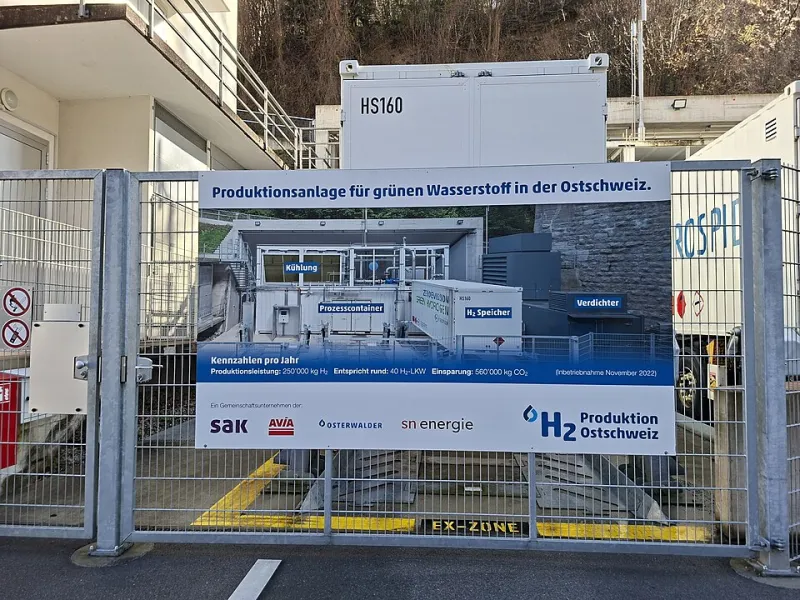
Photo: Asurnipal, CC BY-SA 4.0, via Wikimedia Commons
The Gap Between Ambition and FID
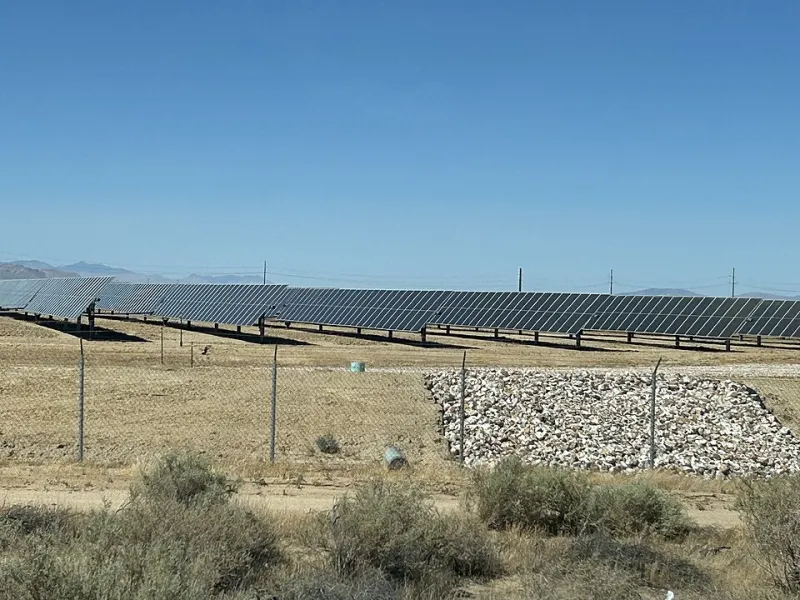
Algeria has the ingredients that hydrogen developers like to talk about: abundant solar and wind resources, land, a strategic Mediterranean location, and proximity to European demand. As of late 2026, the country has also accumulated a stack of hydrogen memoranda with European partners, industrial groups, and technology providers. For US investors, the risk is not that Algeria lacks ambition. The risk is that ambition is mistaken for an investable project.
A memorandum of understanding is not offtake. A press release is not a final investment decision. A land reservation is not a permit. US energy investors should approach Algeria's hydrogen sector with the same discipline they would apply to any early-stage infrastructure market: verify the counterparty, verify the revenue contract, and verify the path to construction.
What a Credible Project Looks Like
A credible hydrogen project in Algeria should show at least four elements. First, a named offtaker or a credible consortium with a binding or near-binding purchase agreement. Second, a grid connection or dedicated renewable generation plan that has been studied, not merely announced. Third, a water strategy. Electrolysis requires water, and in an arid country that means desalination, wastewater reuse, or a clearly permitted alternative. Fourth, a financing structure that identifies equity, debt, guarantees, and currency arrangements.
Projects that lack these elements may still be worth watching, but they are not yet investable. US investors should be especially cautious when a project's public materials emphasize government meetings, land area, or gigawatt capacity without addressing offtake, transmission, or water.
The Infrastructure Bottlenecks
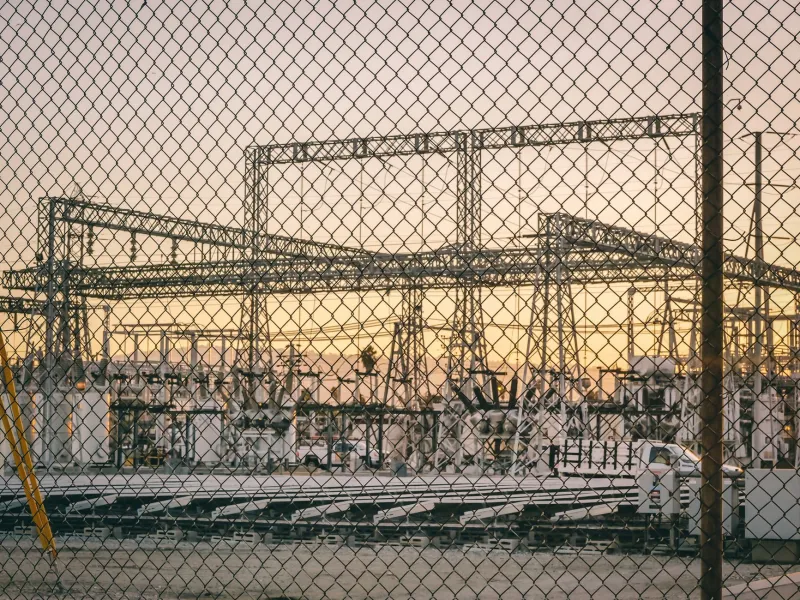
Algeria's hydrogen ambitions run through infrastructure that is still being built. The electricity grid needs reinforcement to move power from southern renewable zones to industrial ports. Desalination capacity is expanding but must be allocated among cities, industry, and agriculture. Export infrastructure, including the proposed SoutH2 Corridor and port-based ammonia options, remains at various stages of planning. Each of these bottlenecks can add years to a project timeline.
There is also a regulatory question. Algeria has been developing a legal framework for hydrogen and renewable energy, but investors should confirm how permits, land access, local content, tax treatment, and foreign-exchange rules apply to their specific project. A favorable renewable energy law does not automatically resolve hydrogen-specific issues.
Diligence Checklist for US Investors
Before committing diligence budget, US investors should ask the following questions:
- Who is the offtaker, and is the agreement binding, conditional, or merely indicative?
- Has the project secured land tenure, environmental approvals, and grid connection studies?
- What is the water source, and has it been permitted and priced?
- Who is the engineering, procurement, and construction contractor, and has it built comparable projects?
- What is the financing plan, including export credit agency support, development finance, and commercial debt?
- How will revenue be converted and repatriated under Algeria's foreign-exchange rules?
- What local content and employment obligations apply, and how will they be met?
- What is the realistic construction timeline, and what penalties apply for delay?
The Pilot Project Test
Smaller pilot projects can be useful, but they are not automatically de-risked. A pilot that produces hydrogen for a refinery or industrial user may prove technology and operations, but it does not prove export-scale economics. US investors should distinguish between a demonstration project and a commercially financed export project. The former can be a useful learning step; the latter requires bankable contracts and infrastructure.
How to Engage Without Getting Stranded
The safest entry model is staged. Begin with a technical and commercial review of a specific project rather than a country-level memorandum. Meet the Algerian counterparty in person and verify its ownership, track record, and decision-making authority. Use independent legal and technical advisors. If the project passes the first screen, consider a development-stage investment with milestone-based funding rather than a large upfront commitment.
Algeria's hydrogen opportunity is real, but it is not yet uniform. Some projects will move toward final investment decisions; many will not. US investors who separate the two will avoid the most expensive mistake in an emerging hydrogen market: paying for a press release and calling it a pipeline.